
Breast Cancer Treatment in Pune
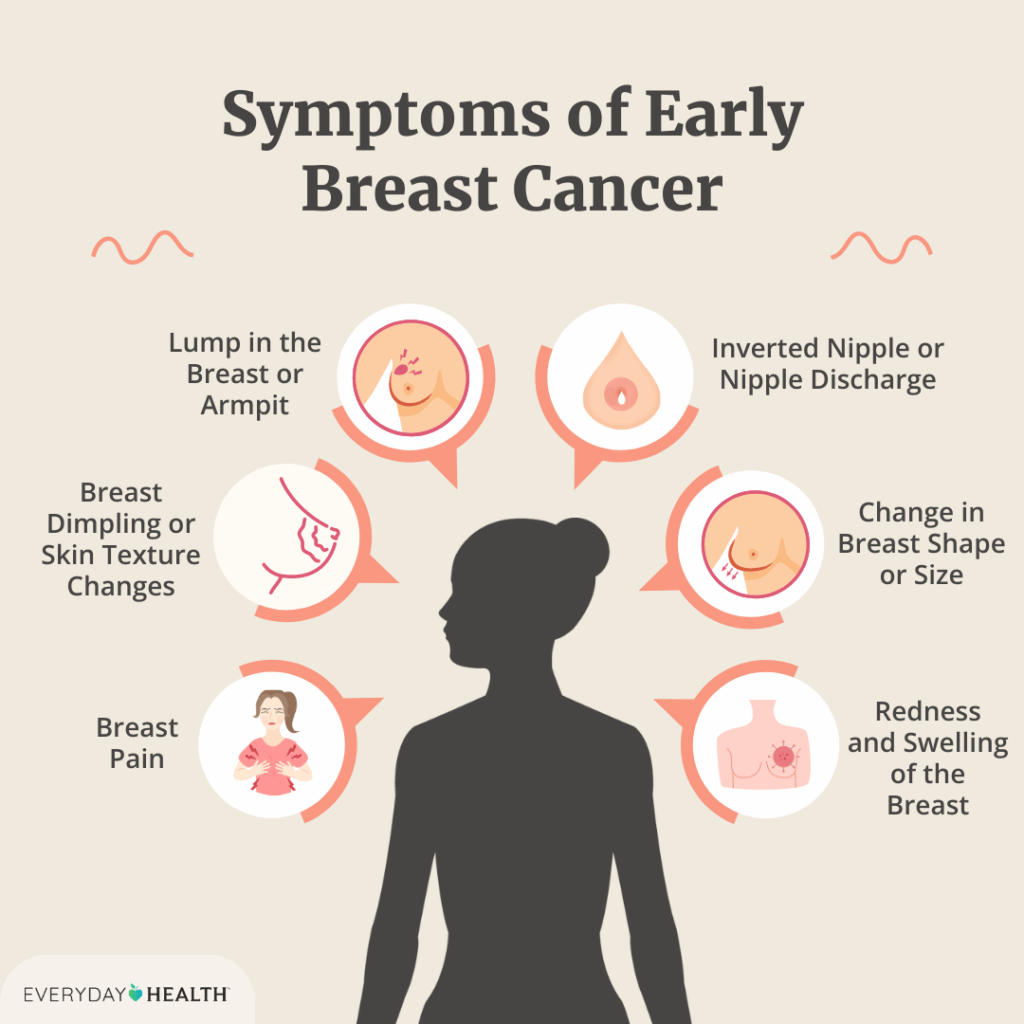
Breast Cancer Treatment and Care in Pune
Universal Hospital provides comprehensive evaluation and treatment for patients with breast cancer and other breast conditions. Our multidisciplinary approach focuses on accurate diagnosis, individualized treatment planning and continuous patient support.
This is a one-stop dedicated breast clinic for women of all age groups. Considering the women’s need for comfort and privacy, a consultant female breast surgeon will examine and investigate you. Breast issues are of benign(non-cancer), malignant(cancer) and cosmetic nature. We offer a very scientific and protocol-based individualized treatment.
Benign Diseases: These are breast pain (mastalgia), Lump in the breast, Breast Abscess(infection), Mastitis(inflammation), Nipple Discharge, and Galactocoel(lactation related lumps).
We have a state of Art diagnostic facility to differentiate benign from malignant breast diseases. 3T MRI, Sonomamography, SonoElastography, Xray Mammography and Core Biopsy Facility. Most procedures are OPD basis or daycare.
Malignant Breast Disease:
Our multidisciplinary team of Oncosurgeons, Oncologists Counselors and Physiotherapists come on board to offer patients an individual line of treatment plan.
Cosmetic breast:
Many times, women face issues of body image due to small breast size or a very large breast size at times. Few patients have congenital anomalies associated with breast for these cases our plastic surgeon comes on board for corrective surgeries.
Patient privacy is maintained with utmost sincerity. A dedicated follow-up plan, breast care and screening protocol are given to patients before they are discharged.
Types of breast cancer
There are many different types of breast cancer. The type is determined by the specific kind of cells in the breast that are affected. Most breast cancers are carcinomas. The most common breast cancers such as ductal carcinoma in situ (DCIS) and invasive carcinoma are adenocarcinomas, since the cancers start in the gland cells in the milk ducts or the lobules (milk-producing glands). Other kinds of cancers can grow in the breast, like angiosarcoma or sarcoma, but are not considered breast cancer since they start in different cells of the breast.
Breast cancers are also classified by certain types of proteins or genes each cancer might make. After a biopsy is done, breast cancer cells are tested for proteins called estrogen receptors and progesterone receptors, and the HER2 gene or protein. The tumor cells are also closely looked at in the lab to find out what grade it is. The specific proteins found and the tumor grade can help decide the stage of the cancer and treatment options.
To learn more about the specific tests done on breast cancer cells, see Understanding a Breast Cancer Diagnosis.
Where breast cancer starts
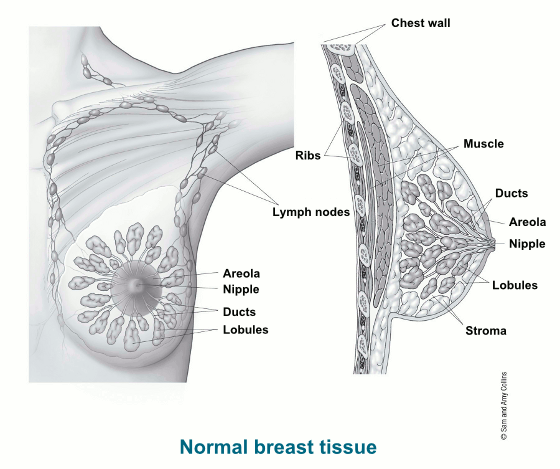
Breast cancers can start from different parts of the breast. The breast is an organ that sits on top of the upper ribs and chest muscles. There is a left and right breast and each one has mainly glands, ducts, and fatty tissue. In women, the breast makes and delivers milk to feed newborns and infants. The amount of fatty tissue in the breast determines the size of each breast.

The breast has different parts:
- Lobules are the glands that make breast milk. Cancers that start here are called lobular cancers.
- Ducts are small canals that come out from the lobules and carry the milk to the nipple. This is the most common place for breast cancer to start. Cancers that start here are called ductal cancers.
- The nipple is the opening in the skin of the breast where the ducts come together and turn into larger ducts so the milk can leave the breast. The nipple is surrounded by slightly darker thicker skin called the areola. A less common type of breast cancer called Paget disease of the breast can start in the nipple.
- The fat and connective tissue (stroma) surround the ducts and lobules and help keep them in place. A less common type of breast cancer called phyllodes tumor can start in the stroma.
- Blood vessels and lymph vessels are also found in each breast. Angiosarcoma is a less common type of breast cancer that can start in the lining of these vessels. The lymph system is described below.
A small number of cancers start in other tissues in the breast. These cancers are called sarcomas and lymphomas and are not really thought of as breast cancers.

Dr. Bhushan Bhalgat
Oncologist Surgeon
Frequently Asked Questions About Breast Cancer
Find answers to common questions about breast cancer symptoms, diagnosis and treatment.