
Mental Health
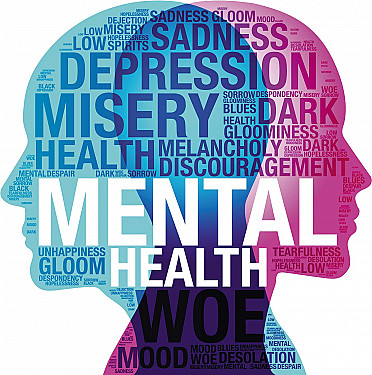
Art therapy is a form of psychotherapy that uses the creative process of making art to improve mental health and well-being. Here’s how art therapists can help individuals in this regard:
Self-Expression: Art therapy provides a non-verbal way for individuals to express their thoughts, emotions, and experiences. This can be especially helpful for those who find it difficult to articulate their feelings verbally.
Stress Reduction: Engaging in creative activities can be relaxing and stress-reducing. Art therapy allows individuals to focus on the process of creating art, which can be a calming and meditative experience.
Emotional Release: Art can serve as a safe outlet for releasing pent-up emotions, such as anger, sadness, or anxiety. Creating art can help individuals process and manage their emotions.
Self-Exploration: Art therapy encourages self-reflection and self-exploration. Through the creation of art, individuals can gain insights into their thoughts and feelings, leading to greater self-awareness.
Communication: For those who struggle with traditional forms of communication, art therapy offers an alternative means of expressing themselves. It can enhance communication skills and the ability to connect with others.
Coping Mechanisms: Art therapy can teach individuals healthy coping mechanisms and problem-solving skills. It helps individuals develop strategies for managing and dealing with their mental health challenges.
Building Self-Esteem: Success in creating art can boost self-esteem and self-confidence. It provides a sense of accomplishment and mastery.
Treatment for Mental Health Issues: Art therapy is often used as part of a broader treatment plan for mental health issues, such as depression, anxiety, trauma, and addiction. It can complement other forms of therapy or medication.
Group Support: Art therapy can be conducted in group settings, providing a sense of community and support. It allows individuals to connect with others who may be facing similar challenges.
Art therapists are trained to guide and support individuals in the art-making process, helping them explore their emotions and thoughts. Through this process, individuals can work towards improving their mental health, gaining a greater sense of well-being, and developing new coping strategies.

- Biological factors: Genetics, brain chemistry, and physical health conditions can play a role.
- Environmental factors: Life experiences, social support, and socioeconomic status can all impact mental health.
- Individual factors: Personality traits, coping skills, and resilience can influence how individuals respond to challenges.

Dr. Yash Daga
M.A. Clinical Psychologist