
Hematology Hospital in Pune
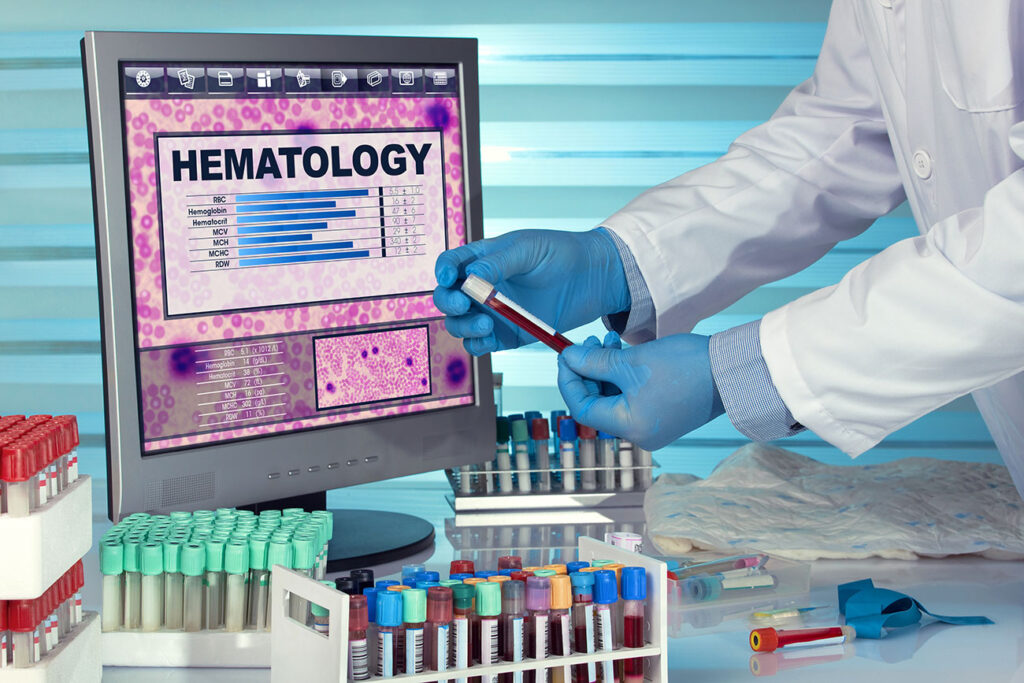
Hematology & Blood Disorder Care in Pune
At Universal Hospital, our Hematology services focus on the evaluation, diagnosis and management of conditions affecting the blood and blood-forming organs. If you are looking for hematology care in Pune, our healthcare team provides patient-focused consultation and coordinated medical support based on individual needs.
We take great pride in providing comprehensive care to patients with major hematological issues. Many patients’ diseases progress because of inaccurate diagnosis or delayed treatment. Also, a one-size-fits-all approach is not applicable now in medicine. Depending on their diverse genetic and socioeconomic backgrounds, the physicians formulate personalized treatment plans to provide the best possible care to patients. Our team of experienced hematologists, nurses, and healthcare staff has expertise in dealing with patients on the floor. Our hematologists are well-trained in all situations and critical decision-making.
We have a state-of-the-art facility, modern technology, and equipment for advanced treatment of your condition. Chemotherapy, immunotherapy, or stem cell transplantation: We offer all the pre-requisite therapies to cure your hematological disorder. Our dedicated team works diligently to treat patients with anemia, leukemia, lymphoma, and clotting disorders.
Our multidisciplinary approach, collaboration, teamwork, and comprehensive treatment plan make us the best hematology hospital in Pune and help us achieve excellence in treating our patients. We believe in treating patients not just physically but also emotionally. Our dedicated team works 24 hours daily to emotionally support the patient and his family.
We believe in involving the patient in the decision-making process and prioritizing his needs, as the patient has to bear it. We listen and address your questions and concerns at each step of the healing process. We provide the patient with a comfortable and emotionally healthy environment to help him heal faster and improve his recovery rate. Dealing with a hematological disorder is challenging for both the patient and his family. Our experienced staff is well-trained and provides a welcoming atmosphere. They guide you in the correct direction while involving you in decision-making.
When choosing a hematology hospital, factors like the hospital’s reputation, staff experience, patient handling, equipment, quality of patient care, and hospital environment must be considered. Noble Hospital excels in all these fields and provides its patients with the highest standard of care.
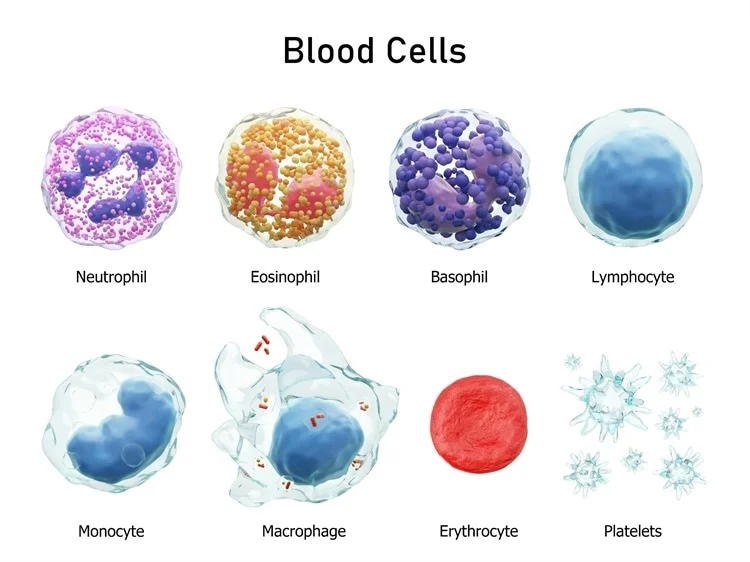
Hematological diseases and disorders
Hematological disorders can be classified into malignant and nonmalignant blood disorders. Nonmalignant blood disorders include hemoglobinopathies such as thalassemia and sickle-cell anemia, other types of anemias, and coagulopathies such as hemophilia. Hemoglobinopathies are genetic diseases and, apart from α- and β-thalassemia, include diseases caused by abnormal hemoglobin structure, manifesting in mild to severe anemia and multi-organ problems. Clotting disorders with genetic causes also include hemophilia and Von Willebrand disease, both of which are caused by low levels of clotting factors in the blood.
Other nonmalignant disorders like anemia and pulmonary embolism could be caused by various factors, including diet and lifestyle. Idiopathic thrombocytopenic purpura is a hematological disease characterized by an abnormal drop in the blood platelet concentration, which then results in bruising, nosebleeds, bleeding gums, and internal bleeding since platelets are involved in clotting. While idiopathic thrombocytopenic purpura is not inherited or contagious, the cause is yet unknown. In most cases, idiopathic thrombocytopenic purpura occurs in children after a viral infection such as chicken pox.
Hematology Treatments & Therapies
Treatment for blood-related conditions depends on the specific diagnosis, severity of the condition and individual patient requirements. Healthcare professionals may recommend appropriate treatment and supportive care based on medical evaluation.
Blood Transfusions
Blood components such as red blood cells, platelets or plasma may be administered to address deficiencies or support patients with severe bleeding when medically indicated.
Chemotherapy
Chemotherapy uses medicines to treat certain cancers, including some blood and bone marrow cancers such as leukemia and lymphoma.
Stem Cell Transplantation
Stem cell transplantation may be considered for certain severe blood disorders and cancers to help restore healthy blood-forming cells, depending on individual medical requirements.
Immunotherapy
Immunotherapy uses the body's immune system or immune-based treatments to help manage certain cancers, including specific blood cancers.
Medications
Different medicines may be used depending on the condition, including anticoagulants for clotting disorders, iron therapy for iron deficiency and other medicines to support blood cell production.
Targeted Therapy
Targeted therapy uses medicines designed to act on specific features of certain cancer cells and may be used for selected blood cancers.
Radiation Therapy
Radiation therapy uses high-energy radiation as part of treatment planning for certain cancers when considered medically appropriate.
Other Therapies
Additional therapies may include plasmapheresis, therapeutic phlebotomy and supportive care to help manage symptoms and complications based on individual medical needs.
Importance of Timely Hematology Evaluation
Blood-related concerns can have different causes and may require appropriate medical evaluation. Timely consultation and diagnostic assessment can help identify the underlying cause and guide suitable medical care.
At Universal Hospital, we aim to provide compassionate and coordinated hematology care based on each patient's individual health requirements.
Hematology FAQs
1. What is hematology?
Hematology is a medical specialty focused on conditions affecting the blood, blood-forming organs and related disorders.
2. Who is a hematologist?
A hematologist is a medical specialist involved in the evaluation and management of blood-related conditions.
3. When should I consult a hematology specialist?
You may consider consultation for unexplained anaemia, abnormal blood test results, unusual bleeding, frequent bruising or other blood-related concerns.
4. What conditions does hematology cover?
Hematology covers a range of blood-related conditions, including anaemia, bleeding disorders, clotting disorders and certain blood cancers.
5. Can a hematologist help with anaemia?
A healthcare professional can evaluate possible causes of anaemia and recommend appropriate investigations and management.
6. What tests may be recommended for blood disorders?
Depending on individual symptoms and medical history, healthcare professionals may recommend blood tests and other appropriate diagnostic investigations.
7. What should I do if my blood test results are abnormal?
Abnormal blood test results should be discussed with a qualified healthcare professional for appropriate interpretation and guidance.
8. Are blood disorders hereditary?
Some blood disorders may have a genetic or inherited component. A healthcare professional can provide guidance based on individual and family medical history.
9. Can I get hematology consultation at Universal Hospital?
You can contact Universal Hospital to enquire about available hematology services and consultation options.
10. Where can I find hematology services in Pune?
Universal Hospital provides healthcare services in Pune. Contact the hospital to enquire about available hematology consultation and blood disorder care services.
Looking for Hematology Care in Pune?
Contact Universal Hospital to enquire about available hematology consultation, blood disorder evaluation and related healthcare services.
Call Now: 9011111222
Dr. Sameer Melinkeri
Clinical Hematology