
Urology
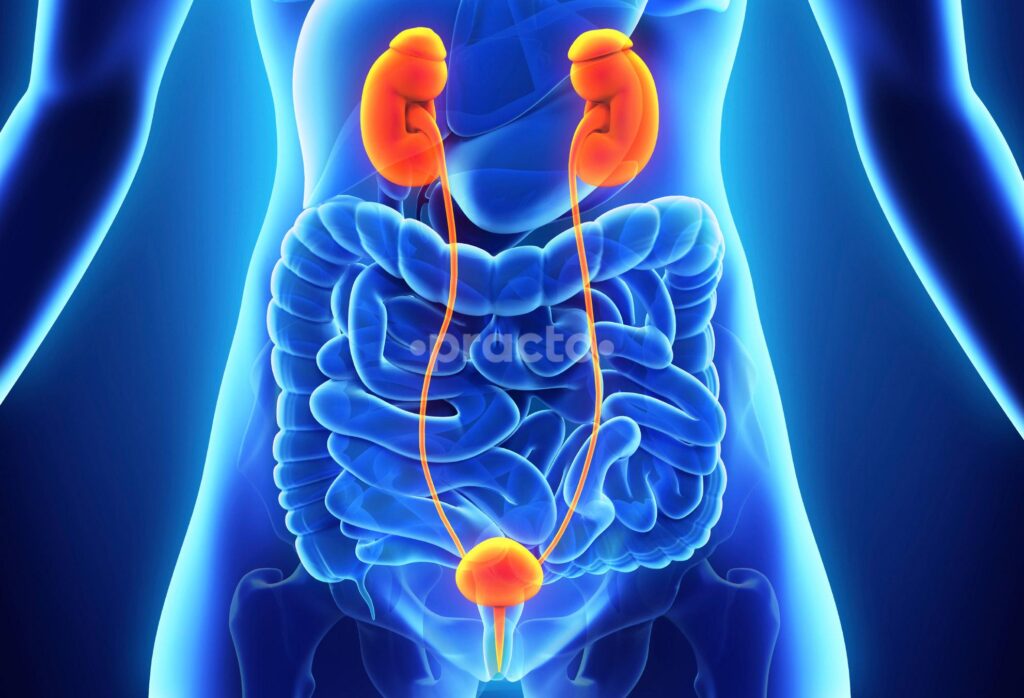
The Urology Department specializes in the diagnosis and treatment of conditions related to the urinary tract in both men and women, as well as the male reproductive system. Urology covers a wide spectrum of health concerns — from urinary infections and kidney stones to complex issues like prostate disorders, male infertility, and urologic cancers. Our team of experienced urologists provides comprehensive care using both medical and surgical approaches, supported by advanced diagnostic technology and a multidisciplinary care model.
The department is managed by a team of committed well qualified and experienced urologists who have expertise in general urologic care, female urology, kidney and urinary tract disease, kidney stones, urinary incontinence, benign prostatic hyperplasia (BPH), urologic cancers (prostate, bladder, testicular, kidney, adrenal), etc.
Department is equipped with state-of-the-art Endoscopes, Laparoscopic equipment, C-arm with image reflector, Endocameras, etc. It is well supported by the ICU, Radiology Dept., Lab Services, and a Blood Bank.
These conditions are complex and can have a profound effect on those affected.
Common conditions treated include urinary tract infections (UTIs), kidney stones, bladder disorders, prostate enlargement (BPH), urinary incontinence, erectile dysfunction, male infertility, and genitourinary cancers (prostate, kidney, bladder, and testicular cancer). For men, the department also offers specialized care for issues such as phimosis, varicocele, and vasectomy or vasectomy reversal. In women, we manage conditions like overactive bladder, pelvic floor dysfunction, and recurrent urinary infections.
The department offers a full range of minimally invasive and endoscopic surgeries, including laser treatments for kidney stones, transurethral resection of the prostate (TURP), ureteroscopy, laparoscopic nephrectomy, and reconstructive urology procedures. Our surgeons use state-of-the-art equipment for faster recovery, reduced pain, and minimal scarring, ensuring optimal patient outcomes.
Urological health is deeply connected to overall well-being and quality of life. That’s why our approach goes beyond treatment — we also emphasize preventive care, lifestyle counseling, and early screening for conditions like prostate cancer and chronic kidney disease. We work closely with nephrology, oncology, gynecology, and endocrinology teams for integrated care, especially in complex or chronic cases.
Whether you are experiencing urinary symptoms, managing a long-standing condition, or seeking preventive screening, the Urology Department is here to provide expert, compassionate, and confidential care tailored to your individual needs.

Treatment
Our aim is to treat patients with skill, confidentiality and understanding all disorders of the kidneys, ureters, bladder, male urinary system, and testes, prostate, and male reproductive organs.
Department provides expertise services in:
- Paediatric Urology
- Urologic Oncology (Cancer)
- Renal Transplantation
- Male Infertility
- Calculi (Urinary Tract Stones)
- Female Urology (urinary incontinence, pelvic outlet relaxation disorders)
- Neurourology (voiding disorders, and erectile dysfunction or impotence
We diagnose and treat the following conditions:
- Prostate Disorders
- Bladder Disorders
- Kidney Disorders
- Urinary Tract Cancers
- Urinary Tract Stone Disease
- Urinary Tract Infection
- Urinary Incontinence
Frequently Asked Questions About Urology
Find answers to common questions about urology consultation, kidney stones, urinary problems, prostate conditions and urological care.
1. What does a urologist treat?
A urologist diagnoses and manages conditions affecting the kidneys, bladder, ureters, urethra and male reproductive system.
2. When should I consult a urologist?
You should consider a urology consultation for blood in urine, painful urination, recurrent UTIs, kidney stones, difficulty urinating, frequent urination or prostate-related symptoms.
3. What are the common symptoms of kidney stones?
Common symptoms may include severe side or back pain, pain while urinating, nausea, vomiting or blood in the urine. Prompt medical evaluation is recommended.
4. Can a urologist treat prostate problems?
Yes. Urologists evaluate and manage prostate conditions such as an enlarged prostate and other prostate-related urinary problems.
5. What causes frequent urination?
Frequent urination can have several causes, including urinary infections, diabetes, prostate problems, bladder conditions or increased fluid intake. A urological evaluation can help identify the cause.
6. Can urinary tract infections be treated by a urologist?
Yes. Recurrent, complicated or persistent urinary tract infections may require evaluation by a urologist to identify the underlying cause and plan appropriate treatment.
7. When does a kidney stone require medical treatment?
Treatment depends on the stone's size, location, symptoms and whether it is causing obstruction or infection. A urologist can recommend appropriate management after evaluation.
8. What tests may be done during a urology evaluation?
Depending on symptoms, evaluation may include urine tests, blood tests, ultrasound, CT imaging or other specialized investigations.
9. Does urology include surgical treatment?
Yes. Urologists perform various procedures and surgeries when medically appropriate, including procedures for kidney stones, prostate conditions and other urinary system problems.
10. Where can I get urology treatment in Pune?
Universal Hospital, Pune provides urology consultation, diagnostic evaluation and individualized treatment planning for various urological conditions.
Looking for Urology Treatment in Pune?
Consult the healthcare team at Universal Hospital for evaluation and personalized urological care.
Call 9011111222
Dr. Sandesh Surana
Urologist

Dr. Harshad Toshniwal
Urosurgeon

Dr. Parag Gulhane
Urology Consultant